

The Smart Wing
AI & ATS
THE SMART WING:
LIVE AI, ATS, COMPANY, AND
HIRING INTELLIGENCE
The Smart Wing is the live engine underneath the House. It continuously tracks how recruitment is changing, then applies that evidence to mentoring, courses, company research, applications, interviews, and career decisions.
Modern hiring combines human judgement with automation, layered screening, and rapid comparison. Strong candidates can still be misread when their evidence, language, or format is unclear. The Smart Wing teaches clients how those systems interpret them and where an informed human decision still takes over.
AI:
• What candidate and employer tools can and cannot do.
• Where AI strengthens research and preparation.
• How to question and check AI output.
• Where AI weakens evidence or removes an individual voice.
ATS (Applicant Tracking Systems):
• How information is parsed, stored, matched, and reviewed.
• How role language and evidence should be reflected naturally.
• How formatting affects readability.
• Why no method can guarantee passage through an employer’s system.
THE new smart SYSTEMs

• Employers may use AI and ATS during sourcing, screening, assessment, and administration.
• Applications may be parsed, matched, ranked, or reviewed before sustained human attention.
• Recruiters still skim, compare evidence, and make contextual judgements.
• Clear evidence and relevant language help both systems and people understand a candidate accurately.
• Company processes vary, so the Smart Wing tracks current evidence instead of repeating universal rules.
smart training
• AI-assisted career-search research.
• ATS-aware CV and application preparation.
• Company-specific application processes.
• Video and online assessment.
• Digital footprint and LinkedIn positioning.
• Live interpretation of response data.
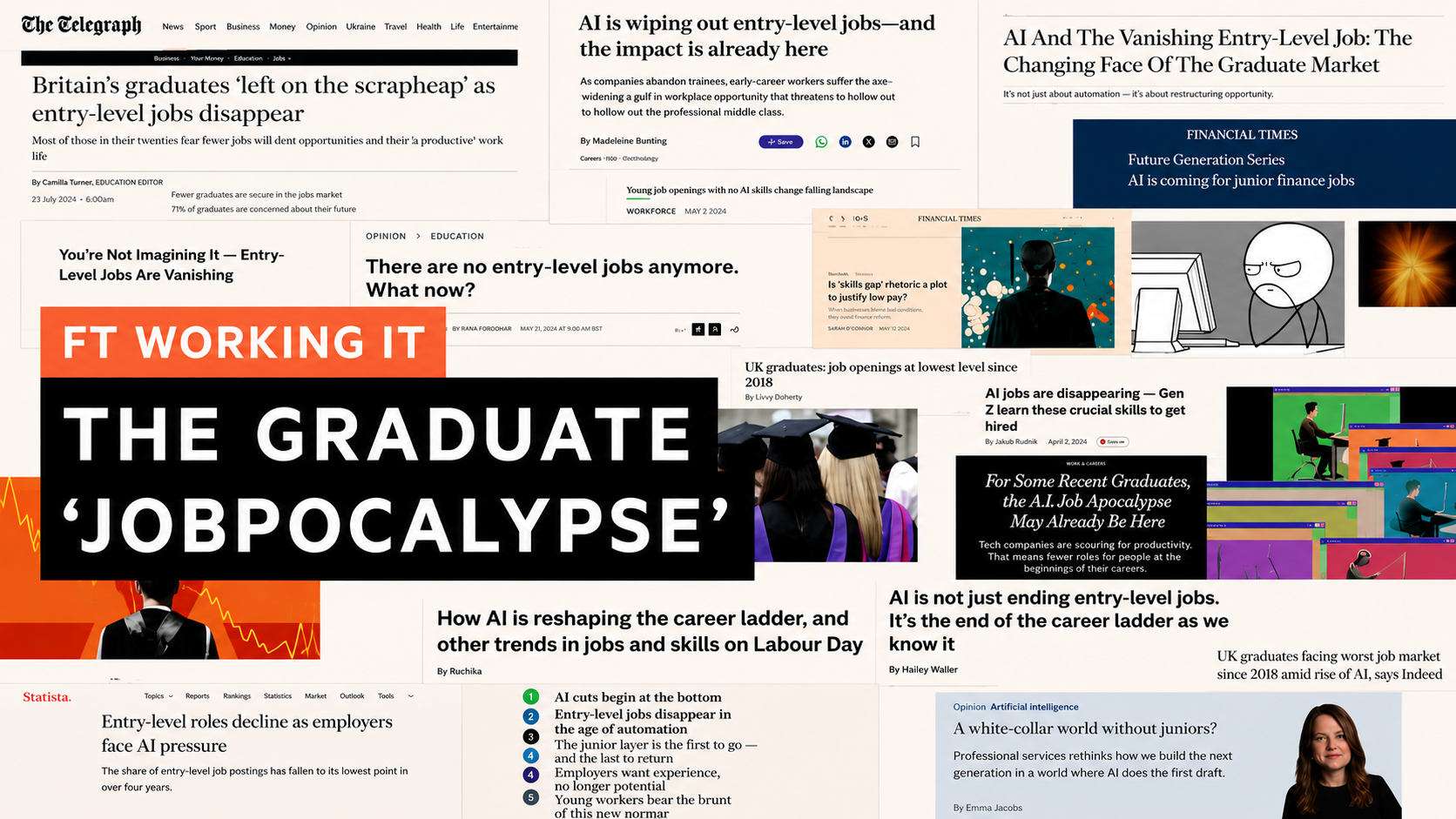
THE CHANGING MARKET
Most candidates know hiring has changed. Fewer can see which changes affect the decision in front of them.
The Smart Wing follows the quieter systems shaping modern recruitment: screening tools, assessment methods, company processes, market signals, and the patterns influencing who is noticed, progressed, or missed.

This is about reading the system accurately, protecting individual evidence and voice, and creating a legitimate competitive edge.
The result is a quieter advantage: better research, stronger decisions, and faster adjustment when the evidence changes.
ultimate positioning
Clients learn to position themselves accurately, with fewer avoidable barriers between their evidence and an opportunity. They prepare for both automated screening and human judgement, understand where risk sits in the process, and adapt without becoming generic.
This is commercial velocity: less wasted activity, faster learning, and a career search informed by live evidence.
From the House: ATS-friendly CVs and AI hiring; early-career mentoring in the UK; and first, second, and third career moves.
